
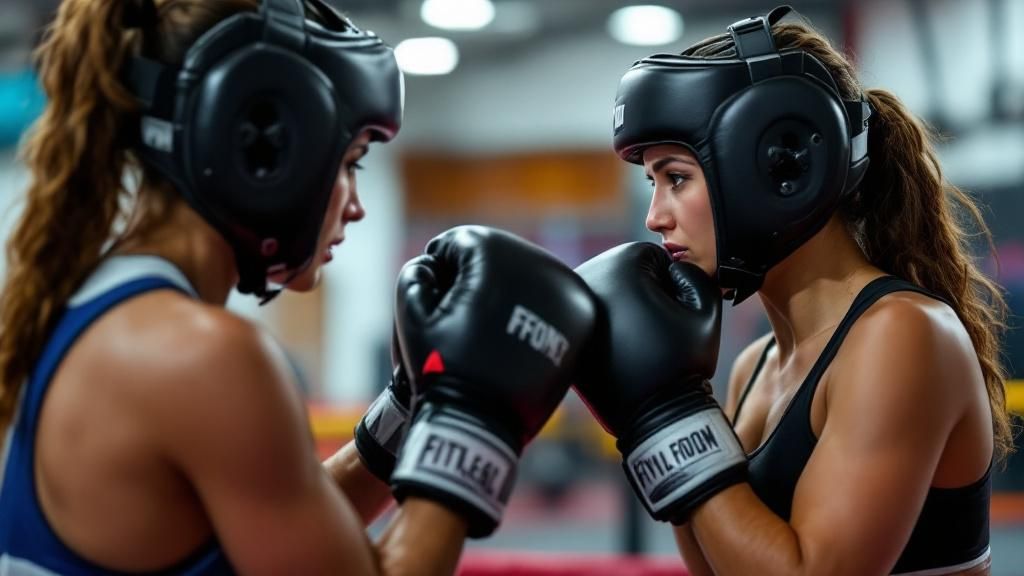
Women’s boxing has undergone a remarkable surge in interest across the UK, with participation rates rising consistently over recent years. This growth has prompted fitness facilities nationwide to develop their dedicated combat sports offerings, recognising the need for high-standard facilities tailored to female boxers. From specialist boxing venues to traditional fitness centres, the facilities serving women’s fighting disciplines has never been more robust. This article examines the driving forces behind this transformation and investigates how expanded facilities are transforming the terrain of women’s boxing in Britain.
The Rising Tide of Female Boxing Athletes
The increase in women’s boxing participation represents a significant cultural shift within the fitness industry. Over the past five years, membership figures have increased dramatically, with women now comprising an growing share of gym memberships for boxing throughout the UK. This shift in demographics reflects changing attitudes towards fighting sports and women’s athletic performance, combined with growing awareness of boxing’s exceptional fitness and conditioning advantages. Gyms have responded enthusiastically to this interest, recognising that female boxers constitute both a loyal and expanding market segment.
Beyond simple statistics, this surge reflects underlying societal changes regarding women’s engagement with historically male-centred sports. Female boxers currently enjoy greater visibility through press exposure, career prospects, and inspirational role models competing professionally. Grassroots efforts and community-based schemes have further democratised participation in boxing coaching, encouraging women from different walks of life to explore the sport. The combination of better training venues, supportive environments, and growing social recognition has established an remarkable chance for women to engage with boxing professionally, whether for fitness, organised contests, or individual growth.
Gym Facility Growth Across the UK
The growth of boxing venues across the United Kingdom has been truly remarkable. Major metropolitan areas including London, Manchester, and Birmingham have witnessed substantial funding in specialist boxing environments, with gyms installing commercial-standard gear specifically designed for boxing training. These facilities now offer numerous striking bags, speed balls, and contemporary boxing rings. Gym operators have recognised that female boxers require tailored settings where they may train safely and with confidence, prompting the establishment of women-only sessions and female-oriented training initiatives that address different ability levels and expertise.
Beyond the key metropolitan centres, community gyms have likewise welcomed this expansion trend, refurbishing their spaces to accommodate rising quantities of female participants. Community centres and privately-run boxing establishments have committed significant resources in enhancing their facilities, appreciating that quality facilities are closely linked with member retention and satisfaction. Numerous gyms now engage female coaches and trainers who offer significant experience and relatability to the sport. This extensive funding reflects the sincere support from gym owners to support women’s boxing development, making certain that aspiring boxers nationwide have entry to high-quality coaching venues irrespective of their geographical location.
Dismantling Barriers and Changing Perceptions
The growth of female boxing venues has significantly changed societal attitudes towards female participation in fighting sports. Historically perceived as a male-centric field, boxing is now increasingly accepted as an welcoming sport embracing competitors of every gender. Better equipped gyms has established female participation in boxing rings and training spaces, challenging traditional misconceptions. This social change reflects larger shifts in how society views female athleticism and strength, motivating more women to engage in boxing without fear of judgment or discrimination.
Focused women’s boxing programmes have shown instrumental in building confidence among those new to the sport. Expert instruction tailored workout plans, and supportive community environments provide spaces where women feel empowered to build their skills. Many gyms now provide all-female sessions and women-centred coaching staff, addressing longstanding obstacles that historically prevented participation. These forward-thinking programmes illustrate that removing obstacles and providing proper facilities directly leads into increased engagement, significantly changing perceptions of women’s boxing within popular fitness culture.
The Future of Female Boxing in Britain
The evolution of female boxing in Britain appears exceptionally promising, with sector specialists anticipating continued expansion over the next few years. As more gyms commit resources to state-of-the-art facilities and professional coaching initiatives, access for aspiring female boxers will unquestionably improve. This structural improvement, alongside expanded media exposure and sponsorship deals, positions women’s boxing as a authentic mainstream sport. The drive presently fuelling engagement points to boxing will develop into an progressively central part of Britain’s sporting landscape.
Looking ahead, the emphasis must stay on nurturing talent at grassroots whilst maintaining welcoming spaces that welcome boxers of varying abilities. Ongoing partnership between gyms, regulatory authorities, and community organisations will remain crucial in sustaining this growth. Furthermore, funding for coach development and athlete development pathways will guarantee the sport benefits from professional standards. As women’s boxing continues its upward trajectory, Britain is positioned to emerge as a major player in nurturing the next cohort of top female boxers on national and international platforms.
