
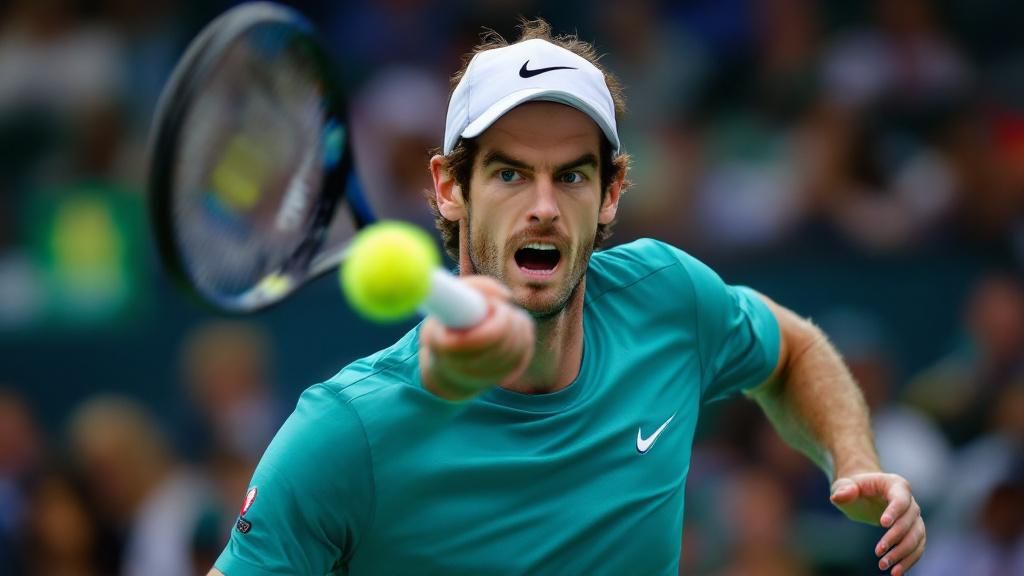
Andy Murray’s strategically designed comeback to professional tennis has created ripples across the British sporting establishment, indicating a potential renaissance for the nation’s most accomplished player. Following his major surgical procedure, Murray’s strategic return to competitive play promises to reshape the British tennis landscape, motivating a emerging generation whilst rekindling hopes of more Grand Slam triumphs. This article investigates how his disciplined method to competitive play is affecting grassroots growth, supporting rising prospects, and repositioning Britain as a competitive powerhouse in international tennis.
The Comeback Champion
Andy Murray’s comeback to competitive tennis signifies considerably more than a personal achievement; it embodies grit and resolve that reverberates through the British sporting landscape. After facing a serious hip procedure that threatened his career, many doubted if the three-time Grand Slam champion would ever compete at the highest level again. His determination to make a comeback, however, demonstrates an unwavering commitment to his game and an unbreakable resolve that has shaped his competitive life. The global sports community follows with authentic fascination as Murray confronts this critical juncture, proving that age and injury need not determine an athlete’s trajectory or performance goals.
The ramifications of Murray’s calculated reentry reach much further than his personal results on court. His participation in professional tournaments reinvigorates British tennis, providing a clear illustration of determination to junior competitors facing their own obstacles. Moreover, his resurgence tale offers essential insights in emotional resilience and athletic recuperation, creating new markers for career longevity. As Murray returns to competition, he at the same time coaches the younger cohort, forging a link connecting established excellence and new potential that reinforces the complete British tennis community.
Influence on Tennis Development in Britain
Murray’s comeback to professional competition has generated considerable impetus within British tennis infrastructure. His presence at top-tier events enhances the tennis profile across Britain, drawing increased investment in youth development programmes and practice venues. The knock-on benefits go further than top-level competition, motivating local engagement and prompting national organisations to emphasise talent spotting and support structures for emerging British players.
Mentorship and Guidance
Beyond his courtside displays, Murray has assumed an growing significant coaching position within the UK tennis sector. His readiness to impart experience gained from competing at the elite standard offers essential support to younger players charting their own professional paths. This casual mentoring influence enhances formal structures, offering useful knowledge into tournament preparation, mental resilience, and handling professional expectations.
Murray’s availability to emerging talent marks a shift away from conventional power structures in professional athletics. By working closely with talented emerging athletes, he demonstrates commitment to the collective progress of British tennis. His mentorship extends past purely technical training, covering career planning, commercial arrangements, and mental approaches essential for maintaining sustained competitive performance on the international stage.
- Provides expert advice on event choice and scheduling
- Shares mental resilience methods developed throughout professional journey
- Facilitates introductions to training and support staff networks
- Demonstrates professional standards through reliable dedication
- Encourages equilibrium between drive and individual health
Performance Comparison and Rankings
Murray’s comeback to professional competition has demonstrated remarkable resilience, with his performance metrics revealing a athlete seeking to recapture his place within professional tennis’s upper echelon. Despite the constant physical pressures of elite-level play, his ranking trajectory has progressively advanced, showcasing his skilled technique and psychological resilience. His wins over proven rivals have sparked renewed debate about his ability to compete for major titles, whilst also delivering valuable data on his recovery progress and tournament fitness.
The deliberate strategy of Murray’s event choices has proven instrumental in overseeing his recuperation whilst preserving competitive edge. By thoughtfully juggling elite-level events with sufficient rest intervals, he has enhanced his performance trajectory without undermining lasting viability. His results have galvanised UK tennis fans and analysts alike, proving that age and previous injury need not reduce a competitor’s drive or achievements at the highest echelons of professional sport.
Upcoming Opportunities and Impact
Andy Murray’s calculated comeback to competitive tennis has significantly transformed perceptions of what represents a successful tennis career. His careful strategy illustrates that extended careers and focused competition can exist together bodily constraints, providing valuable lessons to ambitious sportspeople across the world. The wider consequences of his comeback extend beyond personal achievement; Murray’s involvement in professional tennis revitalises the British tennis system, attracting investment and media attention previously directed elsewhere. His impact on emerging talent exemplifies how experience and resilience go beyond conventional career trajectories, creating new benchmarks for athletic perseverance.
Looking forward, Murray’s legacy will undoubtedly encompass more than tournament victories and ranking positions. His commitment to mentoring rising British players has established a sustainable pathway for the next generation of competitors pursuing global recognition. By balancing competitive ambitions with coaching duties, Murray has positioned himself as both playing member and guardian of British tennis’s future. This dual role strengthens the nation’s competitive foundation whilst ensuring his considerable expertise benefits the sport long after his final playing career, cementing his status as pivotal force within British sporting history.
